
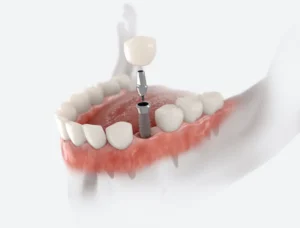
Dental implants have become one of the most reliable and natural-looking solutions for replacing missing teeth. They could restore function, improve appearance, and help preserve jawbone health. However, not everyone is immediately eligible for a dental implant. Several biological, lifestyle, and clinical factors come into play when determining whether implants are the right option. Understanding these factors can help patients know what to expect and how to prepare for treatment.
Overall Oral Health
One of the first things a dentist evaluates is the condition of your mouth as a whole. Healthy gums are essential for dental implant success because the implant relies on surrounding tissue for long-term stability. Active gum disease can interfere with healing and increase the risk of implant failure. Cavities in neighboring teeth, untreated infections, or poor oral hygiene habits may also need to be addressed before implant placement can be considered.
Jawbone Density and Volume
A dental implant is anchored directly into the jawbone, so adequate bone density and volume are critical. When a tooth has been missing for a long time, the jawbone in that area can gradually shrink due to lack of stimulation. If the bone is too thin or soft, it may not be able to support an implant securely. In many cases, this does not mean implants are off the table. Bone grafting procedures can often rebuild the area and make implant placement possible after healing.
General Health and Medical Conditions
Your overall health plays a significant role in implant eligibility. Conditions that affect healing, such as uncontrolled diabetes, autoimmune disorders, or certain heart conditions, may complicate the implant process. This does not automatically disqualify a patient, but it may require additional planning, coordination with medical providers, or stabilization of the condition before surgery. A complete medical history helps the dental team assess risk and determine the safest approach.
Lifestyle Factors
Lifestyle choices can significantly influence implant success. Smoking, for example, reduces blood flow to the gums and slows healing, increasing the risk of implant failure. Heavy alcohol use can have similar effects on the body’s ability to recover after surgery. Patients who are willing to reduce or stop these habits often improve their chances of becoming good candidates for dental implants.
Age and Growth Considerations
Age alone is rarely a limiting factor for dental implants. Older adults frequently make excellent candidates as long as they are in good health and have sufficient bone support. Younger patients, however, must have fully developed jawbones before implants can be placed. Placing implants too early can lead to complications as the jaw continues to grow, so dentists carefully assess skeletal maturity in younger individuals.
Commitment to Oral Care
Dental implants require ongoing care to remain successful over the long term. Daily brushing, flossing, and regular dental checkups are essential to prevent infections around the implant, known as peri-implant disease. Patients who are committed to maintaining good oral hygiene and attending follow-up visits are far more likely to enjoy lasting results.
Bite Alignment and Spacing
The way your teeth come together can affect implant planning. Poor bite alignment or excessive grinding and clenching can place extra stress on an implant. In some cases, orthodontic treatment or a bite adjustment may be recommended before or after implant placement. Adequate spacing is also necessary to ensure the implant and final crown fit naturally within the smile.
Personalized Evaluation Is Key
Ultimately, eligibility for a dental implant is determined through a comprehensive dental evaluation that includes imaging, medical history, and a discussion of goals. Even if challenges exist, modern dentistry offers many solutions that can help patients become candidates over time. A personalized treatment plan better ensures that dental implants are placed safely, function properly, and provide long-term benefits.
Dental Implant Restoration in Chapel Hill, NC
At Tarheel Family & Cosmetic Dentistry, we are dedicated to helping you maintain a strong and healthy bite. If you have missing teeth, the rest of your oral health could be at risk. A dental implant could help restore your smile and quality of life. Contact our Chapel Hill dental office today to schedule a consultation and see if you are eligible for implant dentistry.