
Bleeding gums are a common oral health concern that many people experience at some point in their lives. You might notice blood when brushing or flossing, or see redness and swelling along the gum line. While occasional bleeding can happen, frequent or persistent bleeding is usually a sign that something isn’t right. Understanding what causes bleeding gums is an important step toward improving oral health and preventing more serious dental problems.
Understanding Healthy Gums
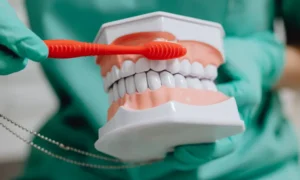
Healthy gums are firm, pale pink, and fit snugly around the teeth. They do not bleed easily during normal brushing or flossing. When gums become irritated or inflamed, they are more sensitive and prone to bleeding. This inflammation is often the body’s response to bacteria or other irritants along the gum line.
Gum Disease and Inflammation
One of the most common causes of bleeding gums is gum disease. The earliest stage, known as gingivitis, occurs when plaque builds up on the teeth and along the gums. Plaque is a sticky film of bacteria that forms daily. If it is not removed through regular brushing and flossing, it can irritate the gums, causing redness, swelling, and bleeding.
If gingivitis is left untreated, it can progress into a more serious condition called periodontitis. At this stage, the gums may pull away from the teeth, creating pockets that trap bacteria. Bleeding may become more frequent, and there can be long-term damage to the gums and bone that support the teeth.
Oral Hygiene Habits
Bleeding gums can also be linked to how you care for your teeth. Infrequent brushing or flossing allows plaque to accumulate, increasing the risk of gum inflammation. On the other hand, brushing too hard or using a toothbrush with very stiff bristles can damage delicate gum tissue, leading to bleeding. Flossing may cause some bleeding at first if gums are already inflamed, but with consistent and gentle flossing, healthy gums usually become stronger and bleed less over time. Using proper technique is key to avoiding unnecessary irritation.
Medical and Health Conditions
Certain medical conditions can make gums more likely to bleed. Hormonal changes, such as those during puberty or pregnancy, can increase blood flow to the gums and make them more sensitive. Conditions like diabetes can reduce the body’s ability to fight infection, increasing the risk of gum disease and bleeding.
Blood disorders and vitamin deficiencies can also play a role. A lack of vitamin C, for example, can weaken gum tissue and make it easier for gums to bleed. Some medications, including blood thinners, may increase bleeding by affecting how blood clots.
Lifestyle and Daily Choices
Lifestyle factors can significantly affect gum health. Smoking and tobacco use reduce blood flow to the gums and weaken the immune response, making it easier for infections to develop. Stress can also impact oral health by lowering the body’s ability to fight bacteria, which may contribute to gum inflammation. Diet plays a role as well. Diets high in sugar and processed foods encourage plaque growth, while a balanced diet rich in fruits, vegetables, and nutrients supports healthy gums and teeth.
When to See a Dentist
Occasional minor bleeding may not be a cause for alarm, but ongoing bleeding should not be ignored. Our Chapel Hill, NC dentist can identify the underlying cause and recommend appropriate treatment, whether that involves a professional cleaning, changes to oral care habits, or further medical evaluation. Early attention could prevent more serious gum problems in the future.
Treatment for Bleeding Gums in Chapel Hill, NC
At Tarheel Family & Cosmetic Dentistry, we are dedicated to preserving your oral health. If you experience frequent or intense bleeding gums, don’t hesitate to reach out. The sooner you seek treatment, the less damage gum disease could cause. Contact our office today to schedule a consultation and learn more about how to keep your teeth and gums healthy.