If you’re missing a tooth, you’ve probably heard about dental implants. They’re one of the most popular ways to replace missing teeth. They look natural, feel secure, and can last for decades.
But you might have one big question. Are dental implants safe? It’s a fair concern. Any procedure that involves surgery deserves careful thought.
The short answer is yes. Dental implants have a 95% success rate. Modern technology and techniques have made them one of the safest and most reliable options for tooth replacement. At Tarheel Family & Cosmetic Dentistry in Chapel Hill, Dr. David Lee helps patients restore their smiles with confidence through safe treatment with dental implants. Let’s walk through what makes implants safe and what you should know before treatment.
What Are Dental Implants?
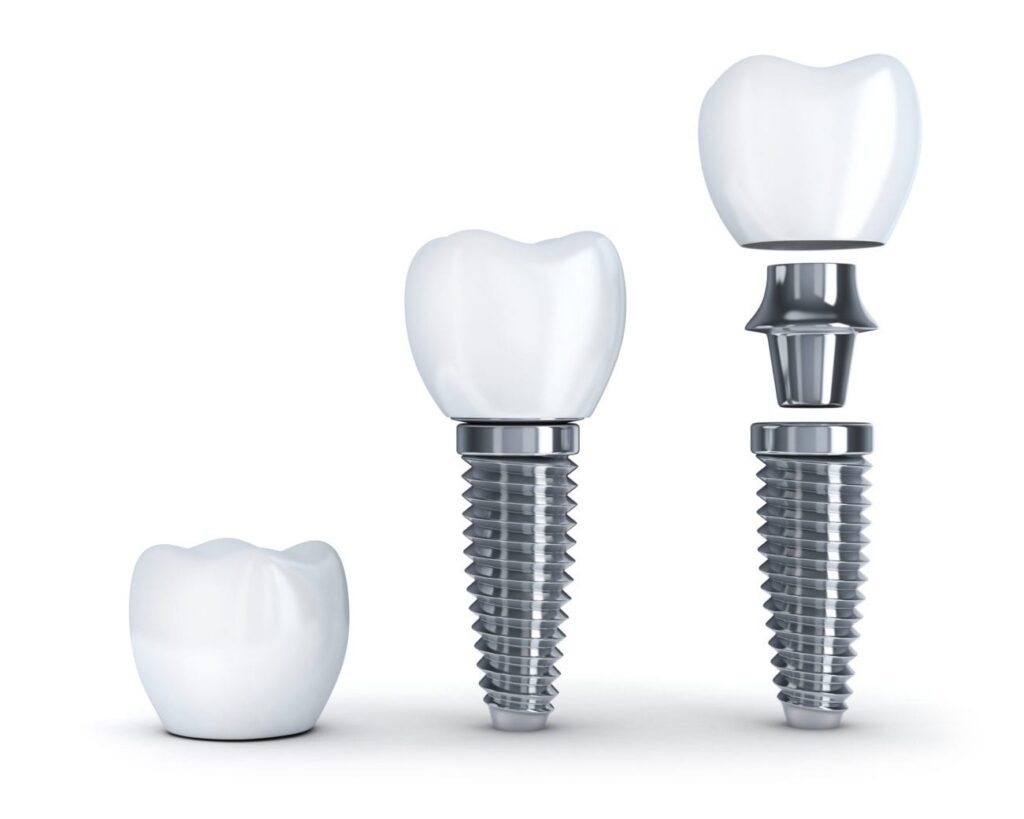
A dental implant is a small titanium post that replaces the root of a missing tooth. We place it surgically into your jawbone. Over a few months, the bone fuses with the post. This creates a stable foundation.
Once the implant is secure, we attach a custom crown on top. The result looks and functions like a natural tooth. You can brush it, floss it, and eat normally.
Implants differ from other tooth replacement options. Dental bridges rely on neighboring teeth for support and dentures sits on top of your gums. An implant stands on its own and becomes part of your jaw.
Why Dental Implants Are Considered Safe
Dental implants have been used for decades. The materials and techniques have improved significantly over time. Here’s why they’re considered safe.
Titanium Is Biocompatible
Titanium is the industry standard for implant materials. Your body accepts it without rejection. It doesn’t cause allergic reactions in most patients. This is why titanium has been used in medical implants for decades, including hip and knee replacements.
The Success Rate Is High
Dental implants have a 95% success rate. That number reflects years of research and clinical experience. When placed by a trained dentist and cared for properly, implants are highly predictable.
The Procedure Is Well Understood
Dentists have performed implant surgery for decades. The steps are standardized. The risks are known and manageable. Your dentist will plan your treatment carefully based on your unique situation.
Advanced Technology Improves Outcomes
Modern imaging tools help dentists place implants with precision. Digital X-rays and 3D scans show the exact position of your bone, nerves, and sinuses. This reduces the risk of complications.
At Tarheel Family & Cosmetic Dentistry, Dr. Lee uses these tools to plan every implant carefully. His goal is a safe procedure and a lasting result.
How Can Implants Benefit You?
Implants offer several advantages over other tooth replacement options:
- They Last a Lifetime: With proper care, implants can last 20 years or more. Some last a lifetime. Other options, like bridges, typically need replacement every 10 to 15 years.
- They Protect Your Jawbone: When you lose a tooth, your jawbone starts to shrink. Implants stimulate the bone and prevent this bone loss. This helps maintain your facial structure and prevents that sunken look that can happen with missing teeth.
- They Don’t Affect Neighboring Teeth: A bridge requires reshaping the teeth on either side of the gap. Implants don’t touch your other teeth. They stand alone.
- They Function Like Natural Teeth: You can eat, speak, and smile with confidence. Implants don’t slip or shift. They feel secure.
- They’re Easy to Care For: You brush and floss implants just like your natural teeth. You don’t need special products or adhesives, just normal oral hygiene.
Risks of Dental Implants
No surgical procedure is completely risk-free. But implant complications are usually minor and easy to fix. Here are the most common risks.
- Implant Site Infection: Any surgery carries a risk of infection. Your dentist will give you instructions to keep the area clean. In most cases, good hygiene prevents this problem.
- Damage to Nearby Teeth: In rare cases, an implant can affect neighboring teeth. Careful planning and imaging reduce this risk significantly.
- Implant Failure: Sometimes an implant doesn’t fuse with the bone. This is called implant failure. It happens in about 5% of cases. Smoking, poor oral hygiene, and certain health conditions increase the risk. If it happens, your dentist can often place a new implant after healing.
- Sinus Problems: Upper jaw implants can sometimes affect the sinuses. Your dentist will evaluate your anatomy before treatment to avoid this issue.
- Allergic Reactions: Allergies to titanium are extremely rare. If you have concerns, your dentist can discuss alternative materials.
- Bone Loss: Some patients don’t have enough bone to support an implant. This isn’t a risk so much as a limitation. Bone grafting can build up the area before implant placement. Dr. Lee will evaluate your bone health during your consultation.
Who Is a Good Candidate for Dental Implants?
Most healthy adults are good candidates for implants. You’ll need enough bone in your jaw to support the implant. You’ll also need healthy gums.
Certain conditions may affect your candidacy. Uncontrolled diabetes, smoking, and some medications can slow healing. Dr. Lee will review your health history and discuss any concerns.
If you’re not a candidate for implants right away, don’t worry. We often have steps you can take to get there. Bone grafting, periodontal disease treatment, and lifestyle changes can all improve your chances of success.
Get an Implant Consultation Today
Dental implants are a safe, effective way to replace missing teeth. If you’ve been considering implants, we’d love to help.
Call us at (919) 551-8847 to schedule your consultation. You can also request an appointment online. Let’s restore your smile together. We proudly serve patients from Chapel Hill, Durham, and the Raleigh-Durham area.